mirror of
https://github.com/home-assistant/iOS.git
synced 2026-02-05 06:35:37 -06:00
 86b0b0a409
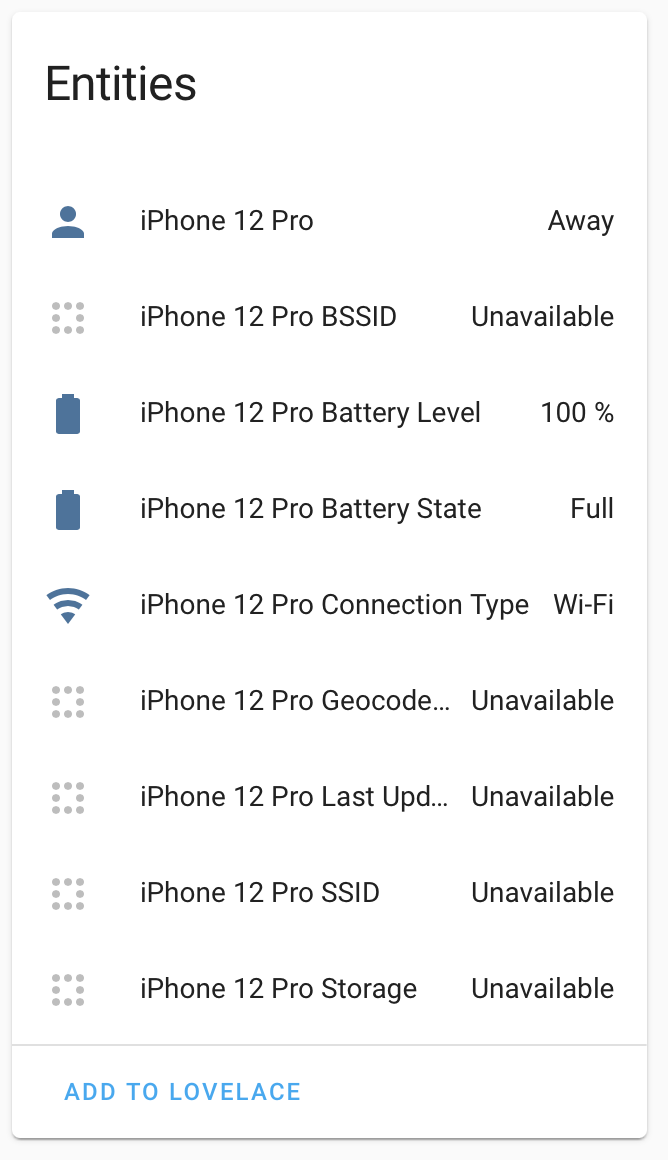
Fixes #358. ## Summary Allows toggling on or off certain sensors. This does not currently delete the sensor but instead sets its state to 'unavailable'. ## Screenshots ### App 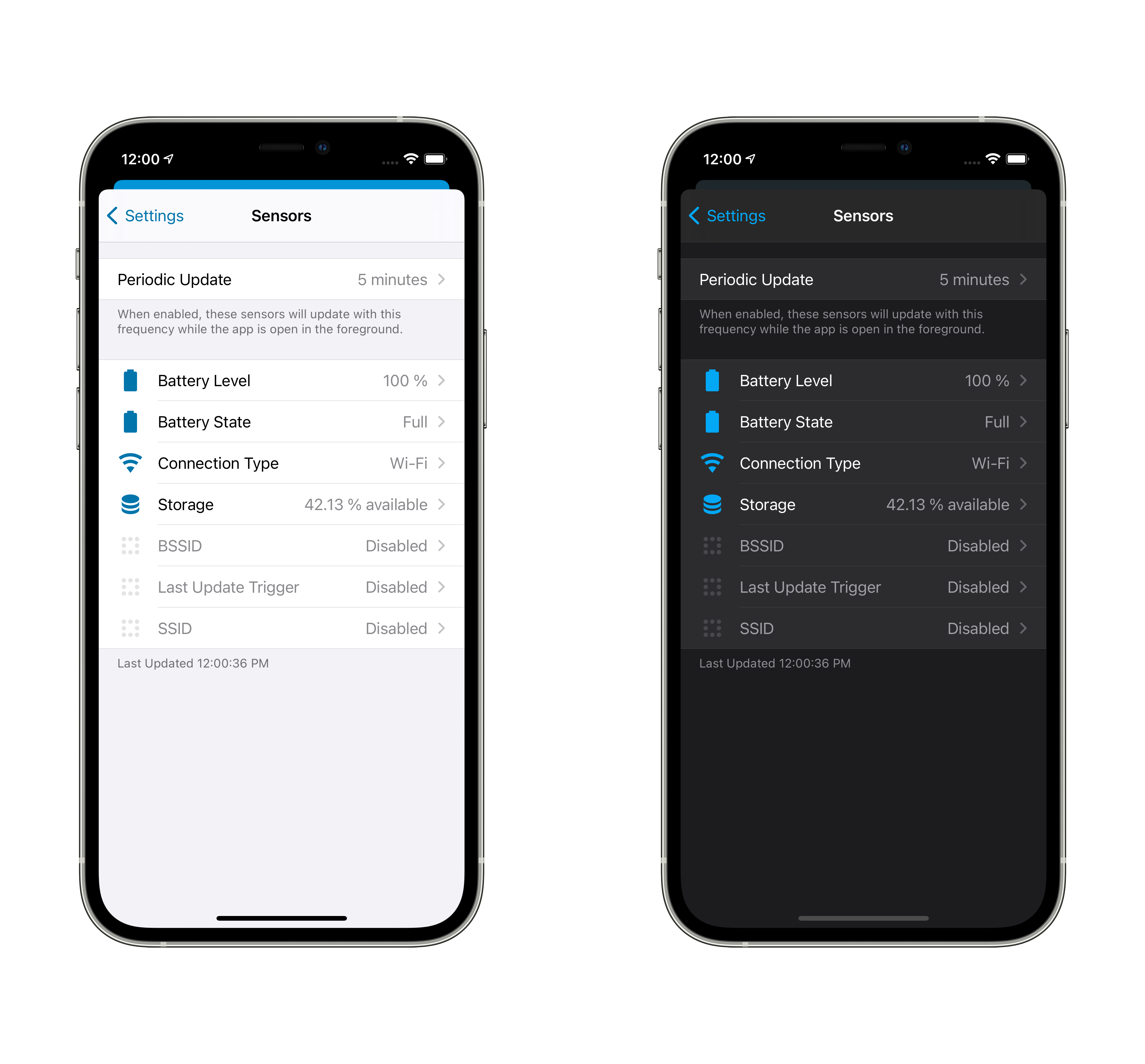 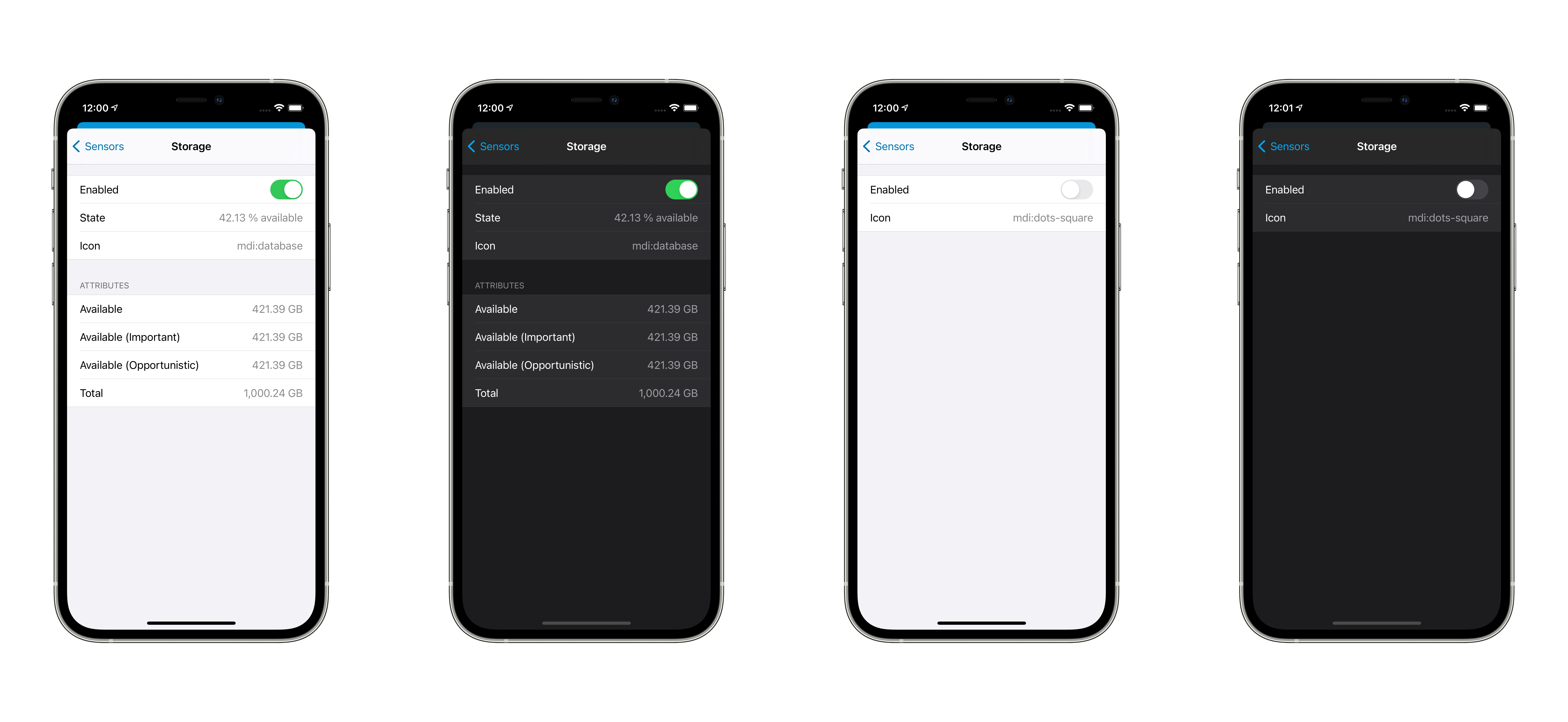 ### Frontend <img width="334" alt="entities" src="https://user-images.githubusercontent.com/74188/107861381-5c234900-6dfa-11eb-86c5-27b7f6ea2c2e.png"> ## Link to pull request in Documentation repository <!-- Pull requests that add, change or remove functionality must have a corresponding pull request in the Companion App Documentation repository (https://github.com/home-assistant/companion.home-assistant). Please add the number of this pull request after the "#" --> Documentation: home-assistant/companion.home-assistant# ## Any other notes - Sensors are still only showing up in the sensor list if they have been generated during the app lifecycle. So for example the Geocode sensor doesn't show up unless a location update happened, and motion sensors do not show up if motion permission is disabled. - Avoids removing items from the cache when they aren't around anymore, or when we think they are stale.


176 lines
4.7 KiB
Swift
176 lines
4.7 KiB
Swift
import Foundation
|
|
import ObjectMapper
|
|
|
|
public struct WebhookSensorSetting {
|
|
public enum SettingType {
|
|
case `switch`(getter: () -> Bool, setter: (Bool) -> Void)
|
|
case stepper(
|
|
getter: () -> Double,
|
|
setter: (Double) -> Void,
|
|
minimum: Double = 0,
|
|
maximum: Double = 100,
|
|
step: Double = 1,
|
|
displayValueFor: ((Double?) -> String?)?
|
|
)
|
|
}
|
|
|
|
public let type: SettingType
|
|
public let title: String
|
|
}
|
|
|
|
public class WebhookSensor: Mappable, Equatable, Comparable {
|
|
public var Attributes: [String: Any]?
|
|
public var DeviceClass: DeviceClass?
|
|
public var Icon: String?
|
|
public var Name: String?
|
|
public var State: Any? = "Initial"
|
|
public var `Type`: String = "sensor"
|
|
public var UniqueID: String?
|
|
public var UnitOfMeasurement: String?
|
|
|
|
public var Settings: [WebhookSensorSetting] = []
|
|
|
|
init() {}
|
|
|
|
public required init?(map: Map) {}
|
|
|
|
convenience init(redacting sensor: WebhookSensor) {
|
|
self.init()
|
|
self.Name = sensor.Name
|
|
self.UniqueID = sensor.UniqueID
|
|
self.State = "unavailable"
|
|
self.Icon = "mdi:dots-square"
|
|
}
|
|
|
|
convenience init(name: String, uniqueID: String) {
|
|
self.init()
|
|
self.Name = name
|
|
self.UniqueID = uniqueID
|
|
}
|
|
|
|
convenience init(name: String, uniqueID: String, state: Any, unit: String? = nil) {
|
|
self.init(name: name, uniqueID: uniqueID)
|
|
self.State = state
|
|
self.UnitOfMeasurement = unit
|
|
}
|
|
|
|
convenience init(name: String, uniqueID: String, icon: String?, state: Any, unit: String? = nil) {
|
|
self.init(name: name, uniqueID: uniqueID, state: state, unit: unit)
|
|
self.Icon = icon
|
|
}
|
|
|
|
convenience init(name: String, uniqueID: String, icon: MaterialDesignIcons, state: Any, unit: String? = nil) {
|
|
self.init(name: name, uniqueID: uniqueID, icon: "mdi:\(icon.name)", state: state, unit: unit)
|
|
}
|
|
|
|
convenience init(
|
|
name: String,
|
|
uniqueID: String,
|
|
icon: String,
|
|
deviceClass: DeviceClass,
|
|
state: Any,
|
|
unit: String? = nil
|
|
) {
|
|
self.init(name: name, uniqueID: uniqueID, icon: icon, state: state, unit: unit)
|
|
self.DeviceClass = deviceClass
|
|
}
|
|
|
|
// Mappable
|
|
public func mapping(map: Map) {
|
|
Attributes <- map["attributes"]
|
|
Icon <- map["icon"]
|
|
State <- map["state"]
|
|
`Type` <- map["type"]
|
|
UniqueID <- map["unique_id"]
|
|
|
|
let isUpdate = (map.context as? WebhookSensorContext)?.SensorUpdate ?? false
|
|
|
|
if !isUpdate {
|
|
DeviceClass <- map["device_class"]
|
|
Name <- map["name"]
|
|
UnitOfMeasurement <- map["unit_of_measurement"]
|
|
}
|
|
}
|
|
|
|
public var StateDescription: String? {
|
|
if let value = State {
|
|
return String(describing: value) + (UnitOfMeasurement.flatMap { " " + $0 } ?? "")
|
|
} else {
|
|
return nil
|
|
}
|
|
}
|
|
|
|
public static func == (lhs: WebhookSensor, rhs: WebhookSensor) -> Bool {
|
|
let mapper = Mapper<WebhookSensor>()
|
|
let lhsData = try? JSONSerialization.data(withJSONObject: mapper.toJSON(lhs), options: [.sortedKeys])
|
|
let rhsData = try? JSONSerialization.data(withJSONObject: mapper.toJSON(rhs), options: [.sortedKeys])
|
|
return lhsData == rhsData
|
|
}
|
|
|
|
public static func < (lhs: WebhookSensor, rhs: WebhookSensor) -> Bool {
|
|
(lhs.Name ?? "").localizedCompare(rhs.Name ?? "") == .orderedAscending
|
|
}
|
|
}
|
|
|
|
public enum DeviceClass: String, CaseIterable {
|
|
case battery
|
|
case cold
|
|
case connectivity
|
|
case door
|
|
case garage_door
|
|
case gas
|
|
case heat
|
|
case humidity
|
|
case illuminance
|
|
case light
|
|
case lock
|
|
case moisture
|
|
case motion
|
|
case moving
|
|
case occupancy
|
|
case opening
|
|
case plug
|
|
case power
|
|
case presence
|
|
case pressure
|
|
case problem
|
|
case safety
|
|
case smoke
|
|
case sound
|
|
case temperature
|
|
case timestamp
|
|
case vibration
|
|
case window
|
|
}
|
|
|
|
public class WebhookSensorContext: MapContext {
|
|
public var SensorUpdate: Bool = false
|
|
|
|
convenience init(update: Bool = false) {
|
|
self.init()
|
|
self.SensorUpdate = update
|
|
}
|
|
}
|
|
|
|
public class WebhookSensorResponse: Mappable {
|
|
public var Success: Bool = false
|
|
public var ErrorMessage: String?
|
|
public var ErrorCode: String?
|
|
|
|
init() {}
|
|
init(success: Bool, errorMessage: String? = nil, errorCode: String? = nil) {
|
|
self.Success = success
|
|
self.ErrorMessage = errorMessage
|
|
self.ErrorCode = errorCode
|
|
}
|
|
|
|
public required init?(map: Map) {}
|
|
|
|
// Mappable
|
|
public func mapping(map: Map) {
|
|
Success <- map["success"]
|
|
ErrorMessage <- map["error.message"]
|
|
ErrorCode <- map["error.code"]
|
|
}
|
|
}
|